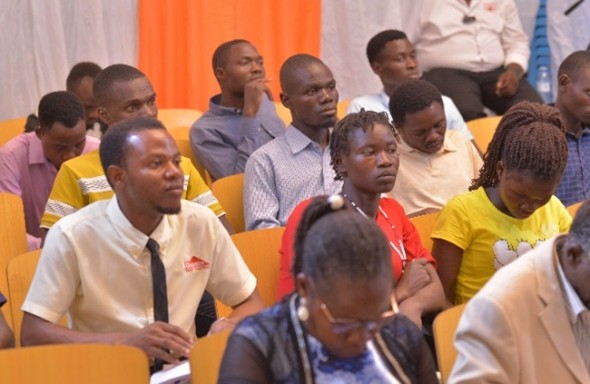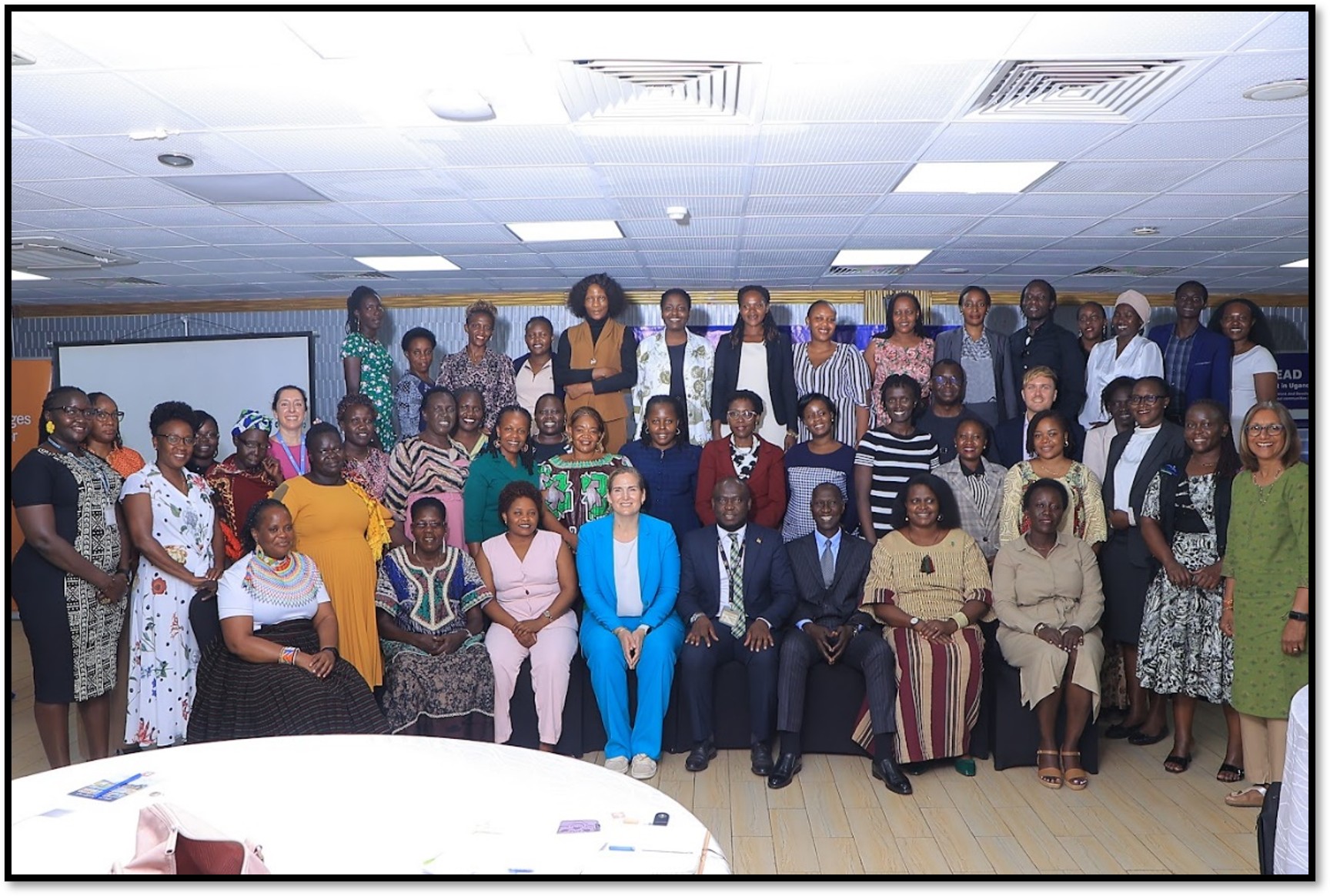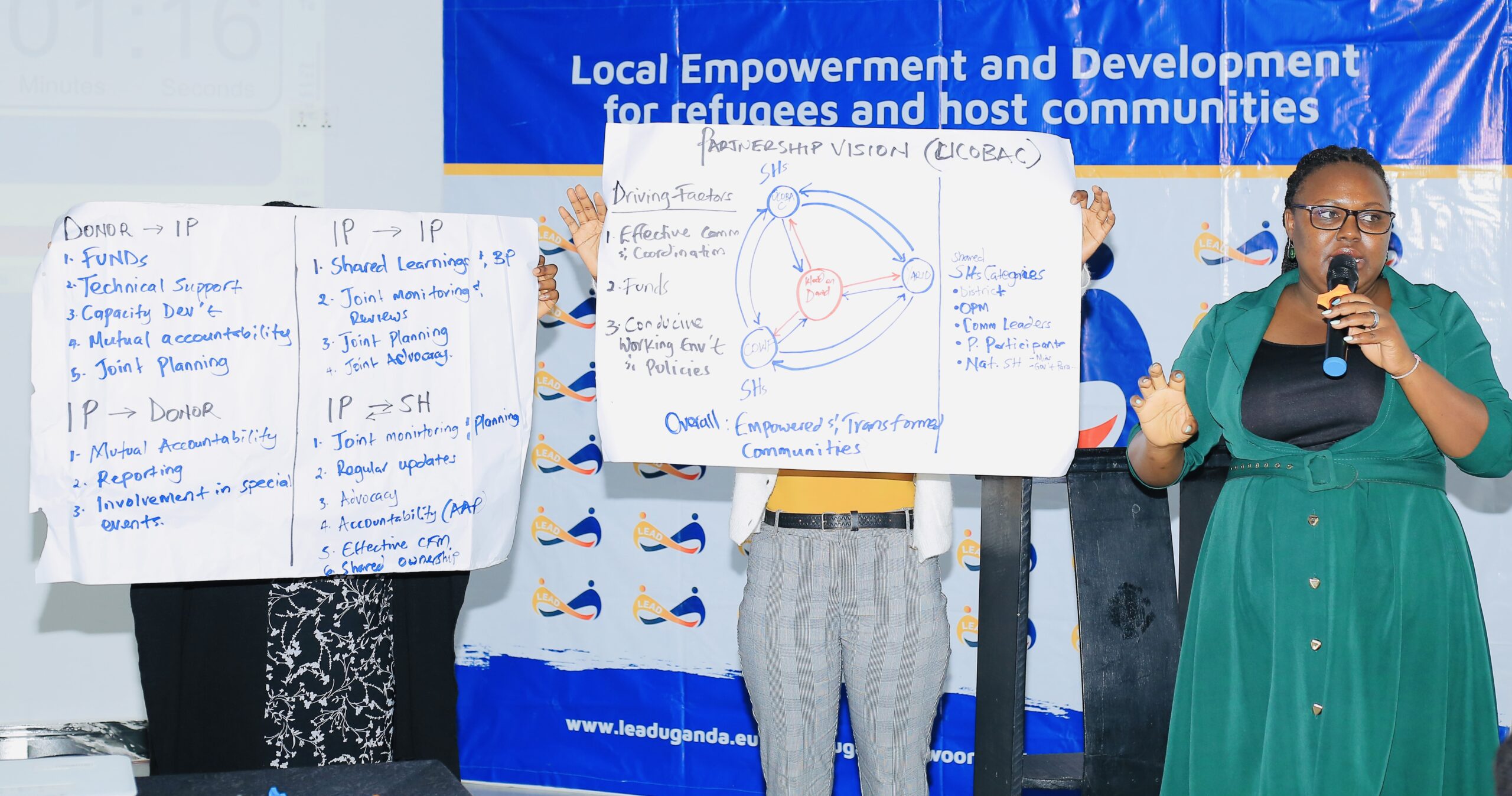
Muni University, 6 November 2025 – Leaders from civil society, academia, local government, and the private sector convened for a thought-provoking dialogue hosted at Muni University. The gathering, part of the LEAD Uganda programme, focused on rethinking dominant narratives in development and strengthening Uganda’s role in shaping its own knowledge systems.
Challenging the ‘mindset problem’
Participants critically reflected on the widespread notion that underdevelopment is rooted in individual or community mindsets. Instead, they called for attention to the structural, political, and economic systems that influence opportunities and choices. Rather than viewing communities as lacking, the session focused on recognising local agency and addressing systemic barriers to development.
“Reshaping development begins with shifting power. Through the Shared Resource Centre, we equip local organisations with tools, knowledge, and expertise—so they can lead from the front and drive their own development agendas.”
Harriet Mbabazi – LEAD Program Manager, Woord en Daad
Towards a context-driven knowledge agenda
Discussions emphasised the importance of building a knowledge agenda grounded in local realities. Stakeholders highlighted the need for Ugandan-led research that reflects community priorities and is shaped by local knowledge systems, not only by external donor frameworks. The dialogue encouraged a shift from passive knowledge consumption to active knowledge production, driven by those closest to the issues.
“Local governments must move beyond service delivery to become centres of knowledge and innovation. Communities hold rich, untapped wisdom—let’s document it, share it, and build from it.”
Mr. Odims – Executive Director, West Nile Development Association (WENDA)
Cross-sector collaboration as a catalyst
Muni University underlined the role of regional institutions in anchoring this agenda in West Nile and beyond. Civil society actors, including refugee-led organisations, shared how lived experiences and informal knowledge systems can inform stronger programming. Private sector voices added that context-driven knowledge must also translate into practice, innovation, and entrepreneurship.
“African universities must reclaim our knowledge spaces—by embedding African worldviews in research, using local languages, and co-creating curricula that reflect the realities of our communities.”
Prof. Clement Okia – Muni University
Looking ahead
The event marked an important step in the LEAD Uganda programme’s commitment to localisation, inclusive governance, and evidence-informed policy change. Participants expressed interest in continued collaboration and co-creation of a roadmap for strengthening knowledge systems from the ground up.
Photos from the session: